Ledger Synchronization Methods Linking Physical Terminal Captures to Subscription Platforms
Written by Tina Becker · Oct 17, 2026
Ledger Synchronization Methods Linking Physical Terminal Captures to Subscription Platforms
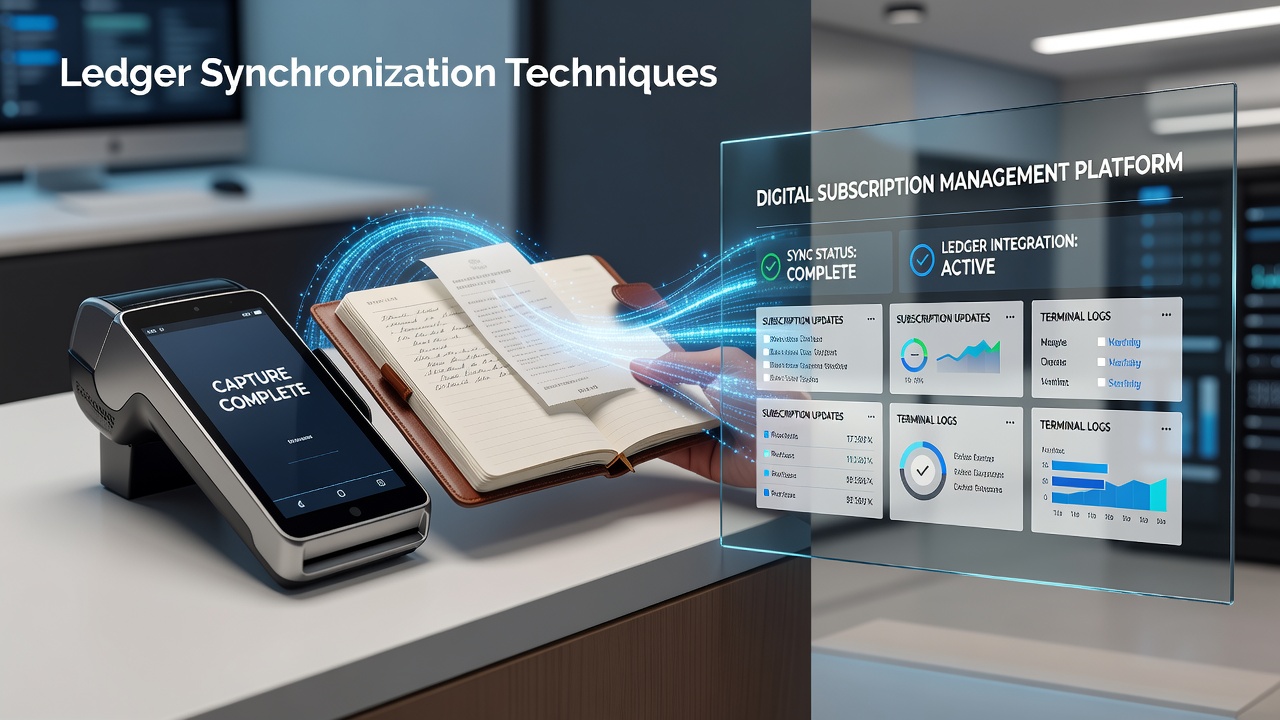
Physical terminals at retail locations record transaction details in real time, and these captures feed into centralized ledgers that subscription management platforms rely on for accurate recurring billing cycles; data flows through structured protocols that maintain consistency between on-site captures and cloud-based records while minimizing discrepancies that arise from timing differences or format variations.
Core Components of Terminal Data Capture
Terminals equipped with card readers and receipt printers generate structured records that include authorization codes, amounts, timestamps, and merchant identifiers, and these elements transfer via secure channels to back-office systems where initial ledger entries form before any synchronization occurs wth subscription platforms. Researchers at institutions such as the Massachusetts Institute of Technology have documented how standardized message formats like ISO 8583 enable terminals to package this information efficiently, which supports downstream processes that align in-store activity with ongoing digital subscriptions.
Batch uploads occur at scheduled intervals in many setups, yet real-time streaming options using message queues allow continuous updates that keep ledgers current across environments, and observers note this distinction matters when subscription platforms require immediate visibility into recent captures to adjust renewal triggers or detect anomalies promptly.
Integration Techniques for Ledger Alignment
Application programming interfaces serve as primary bridges that push captured terminal data into subscription platforms, and these connections often incorporate mapping layers that convert terminal-specific fields into formats compatible with recurring billing engines. According to figures from the European Central Bank, coordinated systems in cross-border retail operations processed over 12 billion such transactions in recent periods, highlighting the scale at which synchronization must operate without introducing latency that disrupts billing accuracy.
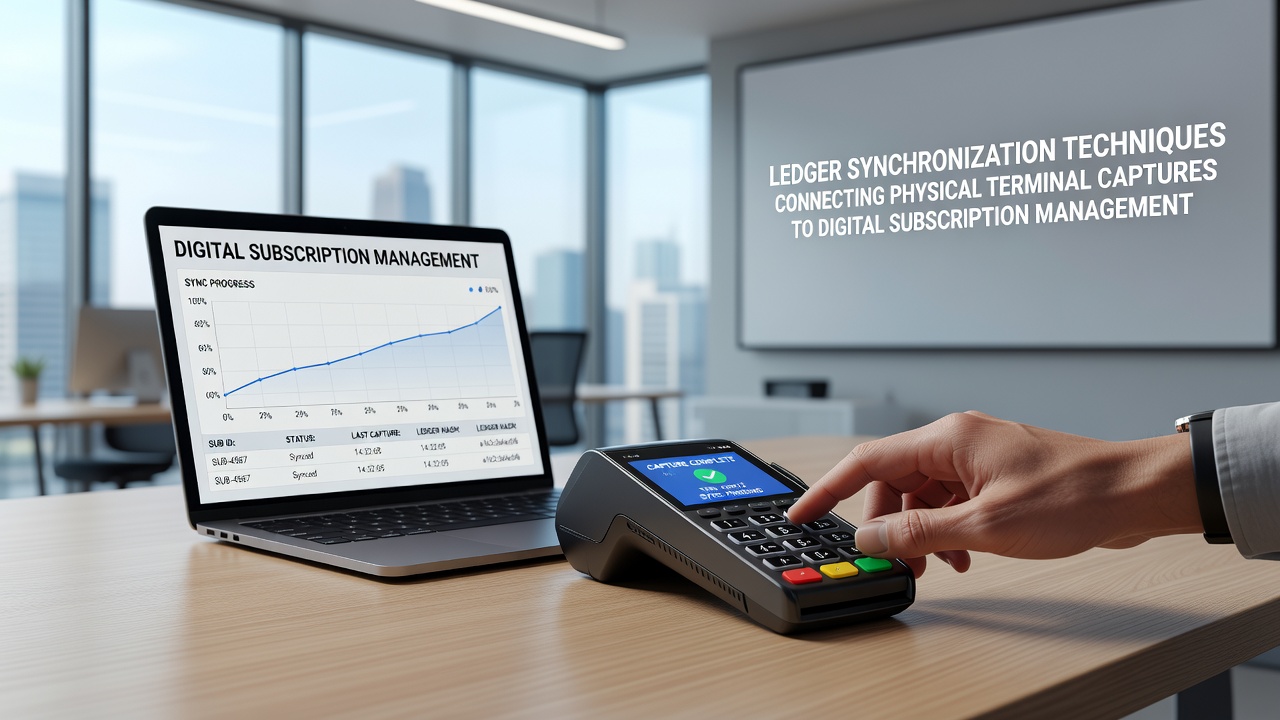
Reconciliation algorithms run periodic comparisons that flag mismatches between terminal captures and platform entries, and these routines employ checksum validations alongside timestamp matching to resolve conflicts automatically in most cases. Data indicates that hybrid approaches combining API calls with event-driven notifications reduce manual interventions by routing updates directly when new captures arrive from physical devices.
Handling Timing and Format Variations
Terminals operate on local clocks that may differ slightly from server times in subscription platforms, so synchronization layers apply offset corrections and sequence numbers that preserve transaction order even when network delays intervene. Those who manage such systems often implement idempotency keys within API payloads, which prevent duplicate ledger entries during retries that follow temporary connection losses.
October 2026 marks the scheduled rollout of enhanced data standards from the Payments Council of Australia that emphasize unified ledger schemas for mixed retail channels, and these updates aim to streamline how terminal captures integrate with subscription renewals across wireless and fixed locations. Experts observe that adopting these schemas early allows platforms to handle currency conversions and tax allocations consistently without separate reconciliation passes.
Security and Compliance Considerations
Encryption protocols wrap data during transfer from terminals to platforms, and tokenization replaces sensitive card details with references that subscription systems use for future charges while the original captures remain secured in isolated vaults. The PCI Security Standards Council provides guidelines that require end-to-end protections throughout this flow, ensuring ledger synchronization does not expose vulnerabilities at any junction point.
Audit trails log every synchronization event with details on source terminals, timestamps, and outcome statuses, which supports regulatory reviews and internal verifications that maintain trust in teh combined physical-digital ledger environment.
Conclusion
Effective ledger synchronization connects physical terminal captures to subscription management platforms through layered techniques that address data mapping, timing alignment, and security requirements simultaneously, and continued refinements in messaging standards support scalable operations across expanding retail networks. These methods enable consistent financial records that underpin reliable recurring billing while accommodating the distinct operational demands of in-store and digital channels.