Linking Point-of-Sale Hardware to Subscription Revenue Streams in Secure Processing Environments
Written by Xander Sullivan · Nov 14, 2026
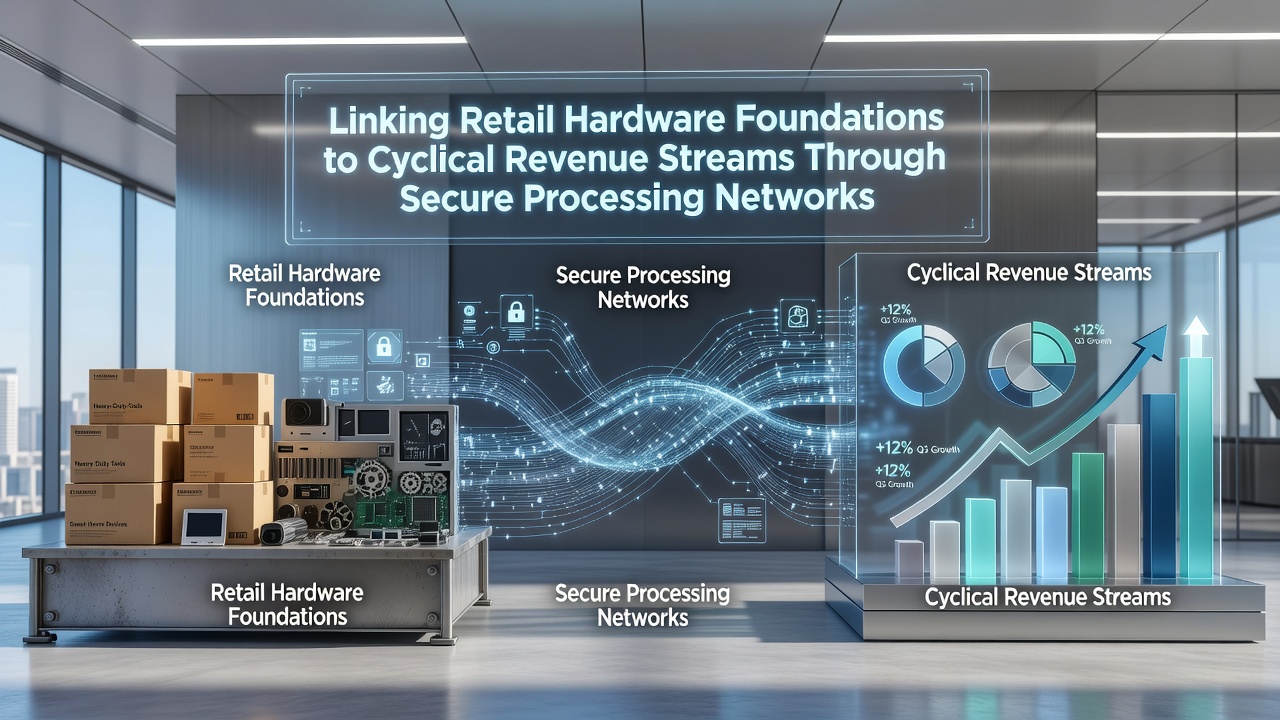
Linking Point-of-Sale Hardware to Subscription Revenue Streams in Secure Processing Environments
Retail hardware such as point-of-sale terminals and mobile devices forms the base layer for many businesses that combine one-time purchases with ongoing subscription models, and secure processing networks handle the data flows that keep these systems synchronized without exposing sensitive information. These networks encrypt transaction details at the hardware level before routing them to payment processors that support both immediate authorizations and scheduled renewals, which allows retailers to maintain consistent revenue without separate infrastructure for each revenue type.
Core Components of Hardware Integration
Point-of-sale terminals capture card data through contact or contactless interfaces, then forward encrypted packets across dedicated channels that comply with established security protocols such as those outlined by the PCI Security Standards Council. Once the initial authorization clears, the same hardware foundation supports recurring charges by storing tokenized references rather than full card details, which reduces risk while enabling automated billing cycles. Data from industry reports indicates that systems built this way process millions of hybrid transactions daily across North American and European markets, and the architecture relies on application programming interfaces that coordinate between physical devices and cloud-based billing engines.
Secure Network Pathways
Encrypted tunnels and tokenization services form the backbone that connects in-store hardware to recurring revenue platforms, and these pathways operate continuously to validate each renewal attempt against the original authorization sequence. When a subscription payment processes, the network routes the request through the same merchant account structures used for in-person sales, which maintains consistency in reporting and settlement. Observers note that this unified approach eliminates the need for parallel systems, while studies from the European Central Bank show measurable reductions in processing errors when hardware and subscription layers share identical security controls.
Operational Flow from Device to Revenue Cycle
A typical sequence begins when a customer completes an in-store purchase on a terminal, and the device immediately generates a secure profile that the merchant can later reference for subscription activations. The terminal sends the profile details through a processing network that supports both single and recurring transaction types, and backend systems schedule future charges using the same encryption keys established during the first interaction. This method keeps hardware resources focused on capture and verification tasks rather than managing billing logic directly, which simplifies maintenance for retailers operating across multiple locations.
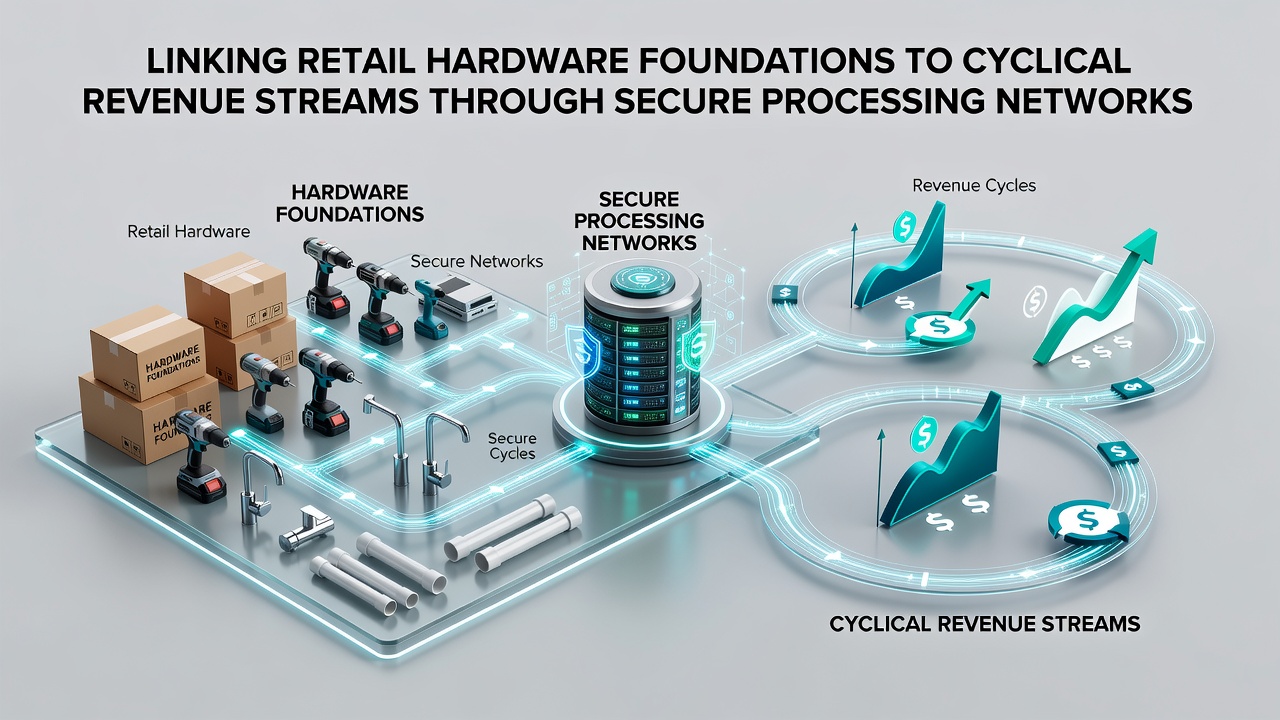
Merchants often configure these networks to handle foreign exchange adjustments automatically, so a subscription renewal initiated on a portable device in one currency settles correctly against the original merchant account. Research from the Reserve Bank of Australia highlights how such coordinated routing maintains stable cash flow even when transaction volumes fluctuate seasonally, and the same principles apply to mobile retail channels where devices move between physical stores and temporary event locations.
Security Measures Across Blended Retail Channels
Hardware-level encryption combined with network segmentation prevents unauthorized access during both initial sales and subsequent renewals, and regular compliance audits verify that token storage practices align with current standards. Retailers that integrate their terminals this way report fewer discrepancies in reconciliation reports because every transaction, whether one-time or recurring, traces back through identical authorization routes. Those who manage large fleets of devices further benefit from centralized monitoring tools that flag anomalies across the entire processing network before they affect revenue streams.
Examples in Practice
One large electronics chain implemented terminal software updates that allowed subscription renewals for extended warranties to process through the same secure channels used for in-store sales, and transaction logs showed improved matching between hardware-captured data and billing records. Another case involved a fitness equipment retailer that linked portable devices at pop-up events to a central processing network, enabling monthly membership charges to continue without requiring separate customer onboarding steps. These setups demonstrate how foundational hardware elements support cyclical revenue when protected by consistent network protocols.
Future Developments Projected Through 2026
By November 2026, updates to wireless communication standards are expected to expand the range of retail devices that can maintain secure connections to recurring billing systems without additional hardware modifications. Industry reports project continued growth in token-based authorization methods that further decouple sensitive card data from the physical terminal itself, and these changes should allow smaller retailers to adopt blended models with lower setup costs. Regulatory guidance from bodies such as the Bank of Canada continues to emphasize interoperability between payment networks, which supports the ongoing linkage of hardware foundations to stable revenue cycles.
Conclusion
Secure processing networks serve as the essential bridge that turns retail hardware into a reliable platform for both immediate sales and recurring revenue, and the technical standards governing these connections continue to evolve alongside payment technologies. Retailers that align their terminal configurations with subscription management tools through encrypted pathways gain operational efficiencies while meeting security requirements across regions. The patterns observed in current deployments indicate that this integration approach will remain central to retail operations that depend on consistent, multi-channel income streams.