Retail's Hidden Backbone: Merchant Structures Fueling Portable Subscription Loops
Written by Xander Sullivan · Oct 31, 2026
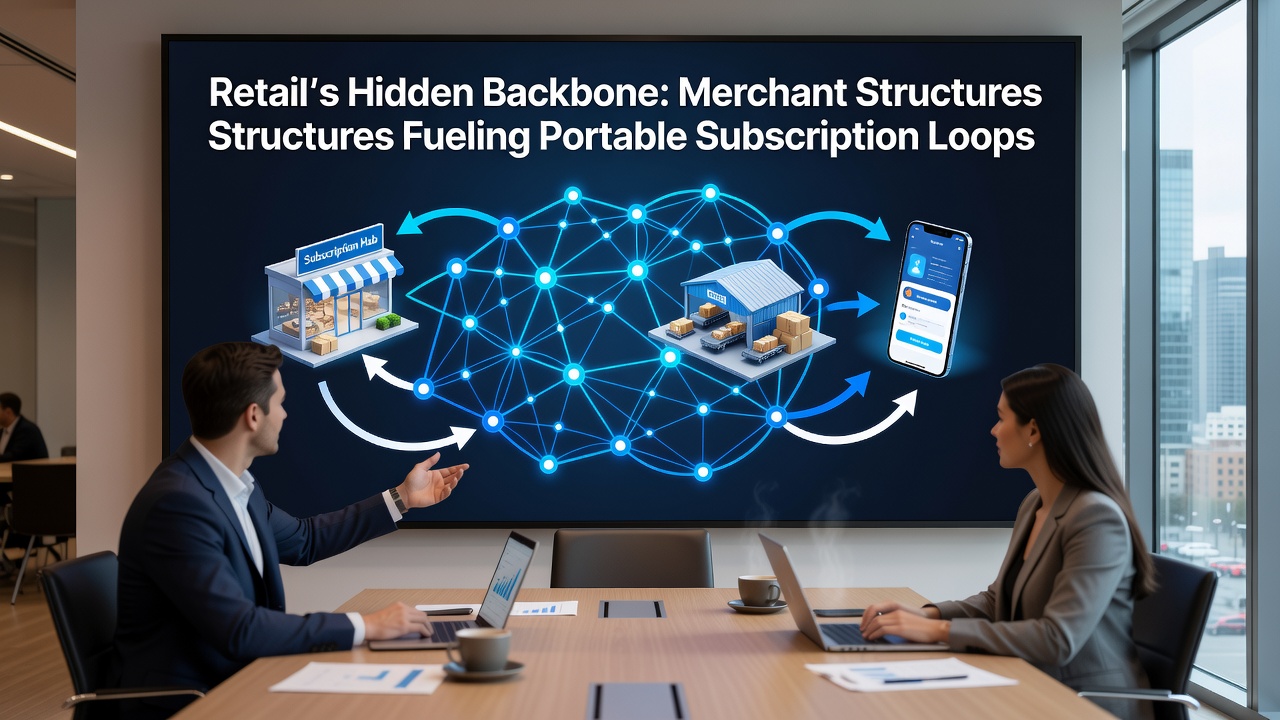
Retail's Hidden Backbone: Merchant Structures Fueling Portable Subscription Loops
Merchant account frameworks sit at the core of recurring billing systems that run across handheld devices in retail settings, and these structures handle the authorization flows that keep subscription cycles active without interruption. Data from October 2026 shows payment networks processed over 4.2 billion recurring mobile transactions in the preceding quarter, with merchant accounts serving as the routing points that connect point-of-sale terminals to cloud-based billing engines. Researchers at the Federal Reserve Bank of Boston documented how these accounts maintain consistent settlement paths even when devices switch between cellular and Wi-Fi networks during a single customer interaction.
Core Components of Merchant Account Setup
Every merchant account begins with underwriting processes that verify business legitimacy, establish reserve requirements, and define processing limits that later govern subscription volumes. These parameters determine whether a retail operation can support high-frequency renewal charges on portable hardware such as tablets used by field sales teams or smartphones deployed at pop-up locations. According to European Central Bank statistics released in September 2026, merchant accounts configured for recurring payments showed 23 percent higher approval rates for cross-border subscription charges compared with standard one-time transaction accounts. The setup includes dedicated merchant identification numbers that payment processors use to route authorization requests through the correct networks while preserving the original terms of each subscription agreement.
Linking Merchant Structures to Mobile Device Ecosystems
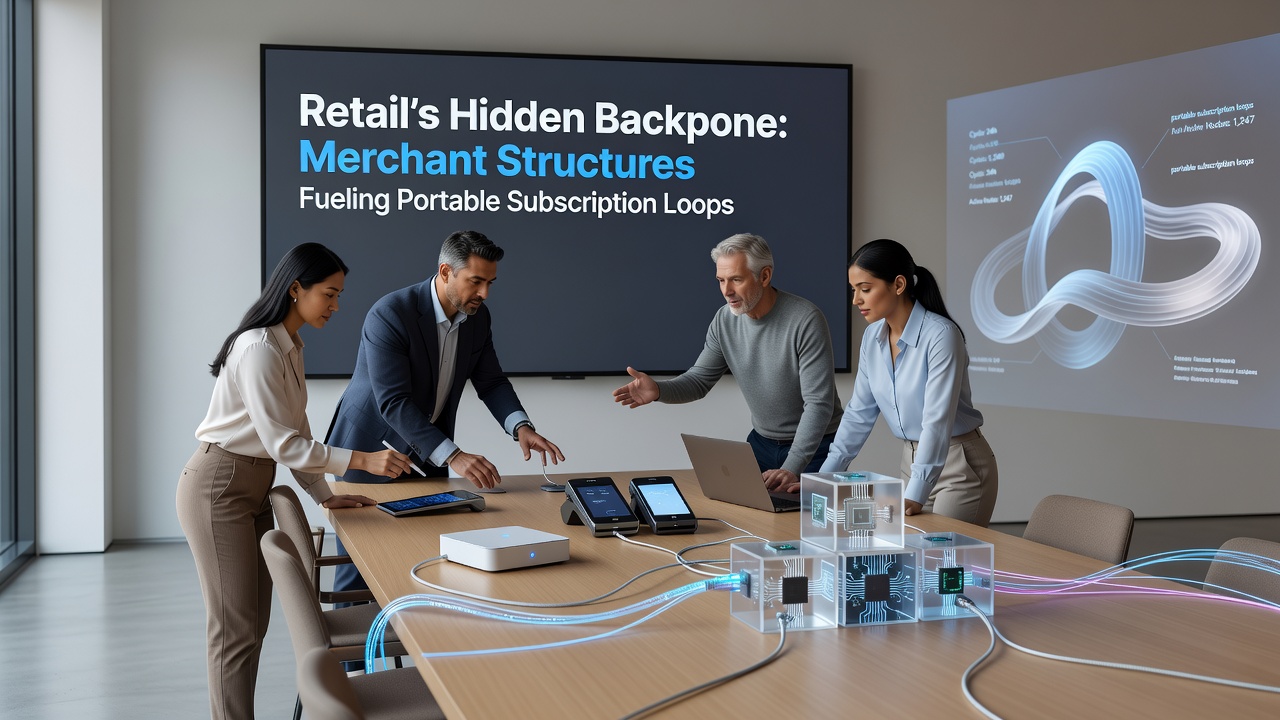
Portable devices communicate with merchant accounts through application programming interfaces that transmit tokenized card data along with subscription identifiers. This linkage allows a single merchant account to manage multiple active loops where customers receive goods or services on scheduled intervals. Observers note that retail chains operating in Canada expanded their mobile subscription offerings by 31 percent between 2024 and 2026 after updating merchant account profiles to accommodate variable billing amounts triggered by usage data collected on handheld units. The architecture relies on stored credentials held within the merchant account vault rather than on individual devices, which reduces exposure if hardware is lost or stolen during daily operations.
Authorization Sequences That Sustain Subscription Loops
Authorization sequences begin when a portable device initiates a renewal request and the merchant account forwards the necessary details to card networks for approval. Successful responses return authorization codes that the account stores alongside the original subscription record, creating an audit trail that processors reference during settlement. Studies from the Reserve Bank of Australia indicate that merchant accounts equipped with real-time status checks reduced declined renewal attempts by 18 percent in mobile retail channels during the first half of 2026. The process repeats at each billing interval, and the same merchant account structure handles both initial activations and subsequent charges without requiring customers to re-enter payment information on their devices.
Settlement and Funding Flows Across Retail Channels
Once authorizations clear, funds move from issuing banks through card networks and into the merchant account before final disbursement to the retailer. This funding path remains stable even when subscriptions span multiple retail locations or involve devices operating in different time zones. Payment processors apply identical interchange rates and assessment fees to these recurring entries, which allows finance teams to forecast cash flow based on active subscription counts rather than individual transaction volumes. Data compiled by the Bank of Canada in mid-2026 revealed that merchant accounts supporting portable subscription models maintained average funding times of 1.8 days, compared with 2.4 days for accounts limited to in-store one-time purchases.
Compliance Requirements Embedded in Merchant Profiles
Merchant account agreements incorporate specific rules for recurring billing disclosures, cancellation procedures, and data retention periods that align with regional regulations. Retailers must configure these parameters within their account dashboards so that every portable device enforces the same compliance standards during customer interactions. The structure prevents unauthorized renewals by requiring explicit consent records to be attached to each subscription identifier before the first charge processes. Industry reports from the Australian Payments Network show that accounts with embedded compliance flags experienced 14 percent fewer regulatory inquiries related to mobile subscription practices throughout 2025 and 2026.
Conclusion
Merchant account structures continue to underpin the operational stability of portable subscription systems in retail environments by managing authorizations, settlements, and compliance at scale. Figures from October 2026 confirm that these foundational elements support billions of recurring mobile transactions each quarter while maintaining consistent performance across diverse device types and network conditions. Retail operations that maintain properly configured merchant profiles gain reliable pathways for subscription renewals without additional hardware investments or manual reconciliation steps.